There’s something undeniably appealing about the phrase “free eye exam.” It sounds simple, straightforward, and best of all—budget-friendly. No fine print, no hidden catches, just a quick check of your vision at no cost.
But if you’ve ever walked out of an optical store wondering how your “free” visit somehow turned into a bill for glasses, contact fittings, or unexpected add-ons, you’re not alone.
So here’s the real question: Are free eye exams actually free?
The short answer is: sometimes yes, sometimes no—but the truth is more nuanced than the headline suggests.
Let’s unpack what’s really going on.
First, What Is a “Free Eye Exam” Supposed to Mean?
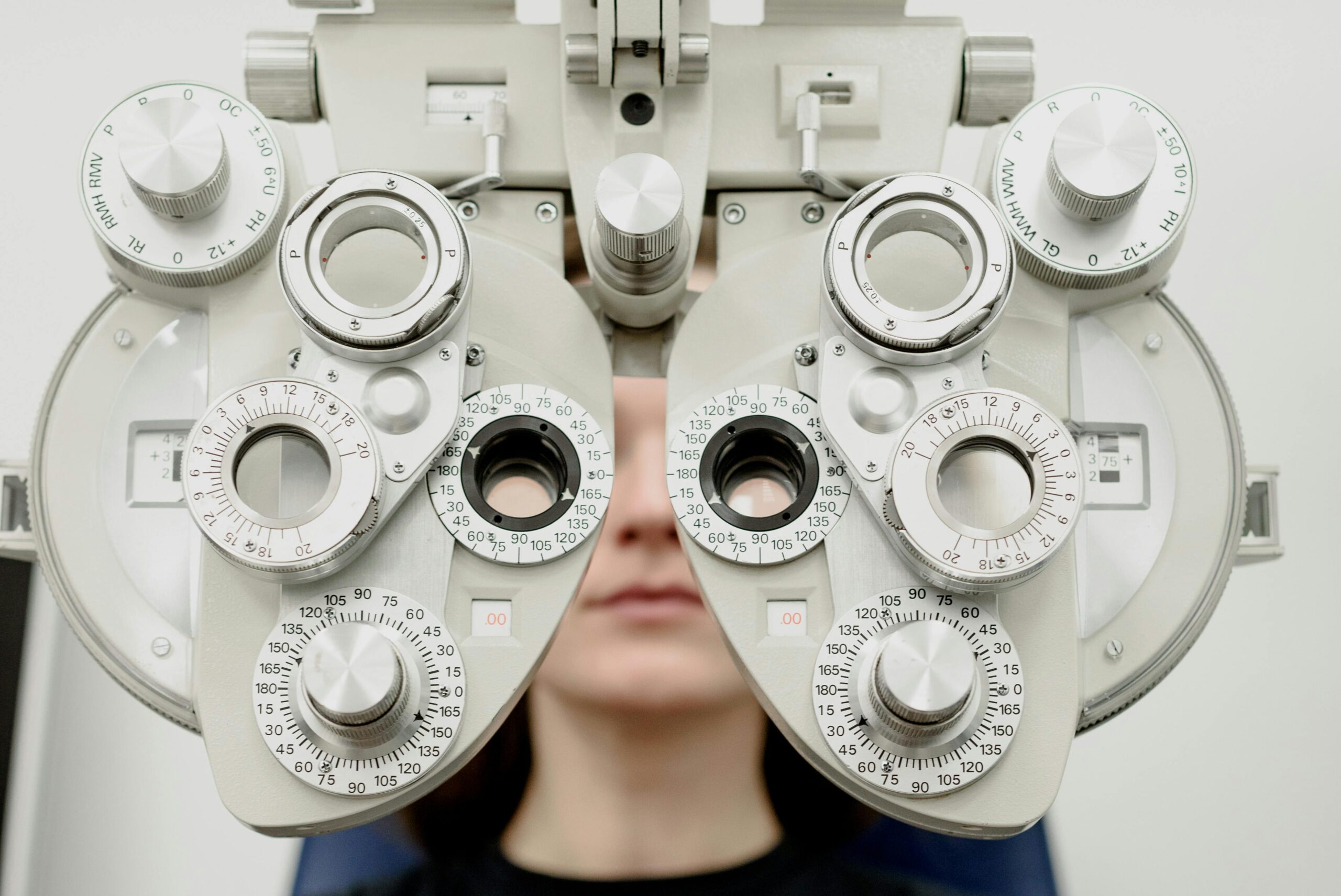
A standard eye exam typically includes a vision check and evaluation of eye health. In a traditional setting, it may involve:
*Testing your prescription for glasses or contacts
*Checking for refractive errors like nearsightedness or farsightedness
*Screening for eye diseases such as glaucoma or cataracts
Under normal circumstances, this kind of exam is not free. It can range anywhere from $50 to $200 or more, depending on location, provider, and whether insurance is involved.
So when a business advertises a free eye exam, they’re usually referring to one of a few specific scenarios—not a universal no-cost medical service.
The Most Common Ways “Free” Eye Exams Work
Not all “free” eye exams are created equal. In fact, there are several different models behind the offer.
1. Promotional Offers (The “Loss Leader” Strategy)
Many optical retailers use free eye exams as a way to attract new customers. This is known as a loss leader—a service offered at no cost to bring people into the store, with the expectation that they’ll purchase something else.
In this case:
*The exam may be genuinely free
*But the business expects revenue from glasses, contacts, or upgrades
There’s nothing inherently deceptive about this model—it’s a common retail strategy—but it does mean the “free” part is part of a larger business equation.
2. Insurance-Backed “Free” Exams
If you have vision insurance, your annual eye exam may be fully covered as part of your benefits. In that case, the exam feels free at the point of service—but it’s actually being paid for by your insurance plan.
You’re still paying for it indirectly through:
*Monthly or annual premiums
*Employer-sponsored benefits (if applicable)
So while your out-of-pocket cost may be $0, the service is not truly free—it’s prepaid coverage.
3. Bundled or Discount Programs
Some membership or discount vision plans advertise free eye exams as part of a package. These plans may include:
*Reduced-cost exams
*Discounted eyewear
*Additional perks like contact lens savings
Again, the exam may feel free when used, but it’s tied to a paid membership or subscription structure.
The Hidden Costs People Don’t Always Expect
Even when the exam itself is free, the overall visit often isn’t.
Here’s where costs can quietly appear:
1. Glasses or Contact Lens Prescriptions
After your exam, you may be encouraged—or strongly advised—to purchase corrective lenses. Frames, lenses, coatings, and upgrades can quickly add up.
A “free exam” can easily become a $200–$500 eyewear purchase.
2. Contact Lens Fitting Fees
If you’re switching to contacts or renewing a prescription, there’s often a separate fitting fee. This step is necessary to ensure proper lens comfort and eye health, and it is rarely included in free exam promotions.
3. Optional Add-Ons
You may also be offered upgrades such as:
*Anti-glare coatings
*Blue light filtering
*Progressive lenses
*Premium frame materials
These are optional—but they can significantly increase your total cost.
So Why Do Companies Offer Free Eye Exams?
It might seem counterintuitive for a business to give away a medical service for free. But there’s a clear strategy behind it.
1. Customer Acquisition
Free exams bring people through the door. Once you’re there, the business has an opportunity to earn revenue through eyewear or contact sales.
2. Competitive Pressure
In many areas, optical retailers compete heavily. Offering a free exam helps them stand out in a crowded market.
3. Long-Term Customer Relationships
Eye care is not a one-time purchase. Most people need updated prescriptions every 1–2 years. A free initial exam can establish a long-term customer relationship.
When a “Free” Eye Exam Is Truly Free
There are situations where you may genuinely pay nothing out of pocket:
*Your vision insurance fully covers annual exams
*You qualify for community health programs or nonprofit clinics
*Promotional offers include both exam and basic prescription with no purchase requirement
However, even in these cases, “free” usually refers to the exam itself, not necessarily any corrective products or follow-up care.
The Psychology Behind the Word “Free”
The word free is powerful. It removes hesitation, lowers perceived risk, and encourages action.
But in healthcare and retail settings, it’s often used strategically. The goal isn’t necessarily to mislead—it’s to simplify a more complex pricing structure into something that feels accessible.
The challenge for consumers is that “free” rarely exists in isolation. It’s usually connected to:
*Insurance systems
*Future purchases
*Membership models
*Or bundled pricing structures
Understanding that context helps you make clearer decisions.
How to Know What You’re Really Signing Up For
If you’re considering a “free eye exam” offer, here are a few simple questions that can help clarify the situation:
1. Is anything required after the exam?
Do you need to purchase glasses or contacts to qualify for the free offer?
2. What services are included?
Does “free exam” include:
*Prescription update
*Eye health screening
*Contact lens fitting
Or only part of the full visit?
3. Is insurance involved?
If yes, your exam may be covered—but it’s not the same as a promotional free exam.
4. Are there any hidden fees?
Always ask about:
*Fitting fees
*Retinal imaging charges
*Optional diagnostic tests
A Real-World Example
Imagine two people walking into the same optical store.
Person A sees a “Free Eye Exam” sign, gets a prescription, and leaves without buying anything. Their exam truly costs $0 due to a promotion.
Person B also gets a free exam but chooses new glasses with upgraded lenses and coatings. Their total bill is $350.
Same exam. Very different outcomes.
The exam was free in both cases—but the overall experience wasn’t.
The Bottom Line
So, are “free eye exams” really free?
Yes—but only in a limited sense.
The exam itself may cost nothing due to promotions or insurance coverage. However, the broader experience often includes opportunities—or expectations—to spend money on eyewear, fittings, or upgrades.
That doesn’t make the offer misleading by default. It simply means “free” applies to one part of the visit, not necessarily the entire journey.
Final Thought: Free Isn’t the Same as Costless
In healthcare, words like free, covered, and included can sound similar—but they don’t always mean the same thing.
A free eye exam can absolutely be a legitimate benefit. It can also be a gateway to additional services you may or may not need.
The key is not to avoid “free” offers—but to understand them.
Because once you know what’s included, what’s optional, and what might follow, you’re no longer reacting to the word “free.”
You’re making an informed decision—and that’s where real value begins.