Your Eyes Age Faster Than You Think: The Overlooked Role of Vision Coverage
Most people can tell you the last time they changed their phone, upgraded a laptop, or replaced a pair of running shoes. But ask when they last had a comprehensive eye exam, and the answer is often followed by a long pause.
It’s strange when you think about it. Our eyes are involved in almost every waking moment of life. They absorb screens for hours at a time. They navigate traffic, read text messages, recognize faces, and quietly alert us when something in the world feels wrong. Yet eye health tends to live in the background — somewhere between “I’ll deal with it later” and “my vision seems fine.”
The problem is that your eyes do not age quietly.
In fact, many vision changes begin long before people notice them. And by the time symptoms become obvious, the issue may already be affecting not only eyesight, but overall health, productivity, sleep quality, and even long-term medical costs.
That’s where stand-alone vision coverage enters the conversation — not as a luxury add-on, but as one of the most overlooked forms of preventive care available today.
Your Eyes Are Aging Every Single Day
Most people associate aging eyes with retirement-age adults struggling to read restaurant menus. But the aging process starts much earlier than people realize.
By your late 20s and early 30s, subtle changes in eye flexibility and focusing ability begin. Digital strain accelerates fatigue. Tear production can decline. Blue-light exposure disrupts sleep patterns and increases visual exhaustion. Even healthy people with “perfect vision” can experience gradual deterioration without realizing it.
Then there’s the modern lifestyle factor.
Humans were not designed to stare at glowing rectangles from eight inches away for most of the day. Yet millions of Americans now spend more time looking at screens than sleeping. Remote work, gaming, smartphones, streaming platforms, and digital classrooms have fundamentally changed how the eyes function throughout the day.
Eye strain has become so normalized that many people mistake symptoms for ordinary tiredness:
*Frequent headaches
*Blurry vision after work
*Dry eyes
*Difficulty focusing at night
*Sensitivity to light
*Neck and shoulder tension
*Increased fatigue while reading
People adapt to these symptoms slowly, which makes them harder to notice. Vision changes often happen gradually enough that the brain compensates for them — until it can’t anymore.
That’s one reason routine eye care matters more than ever.
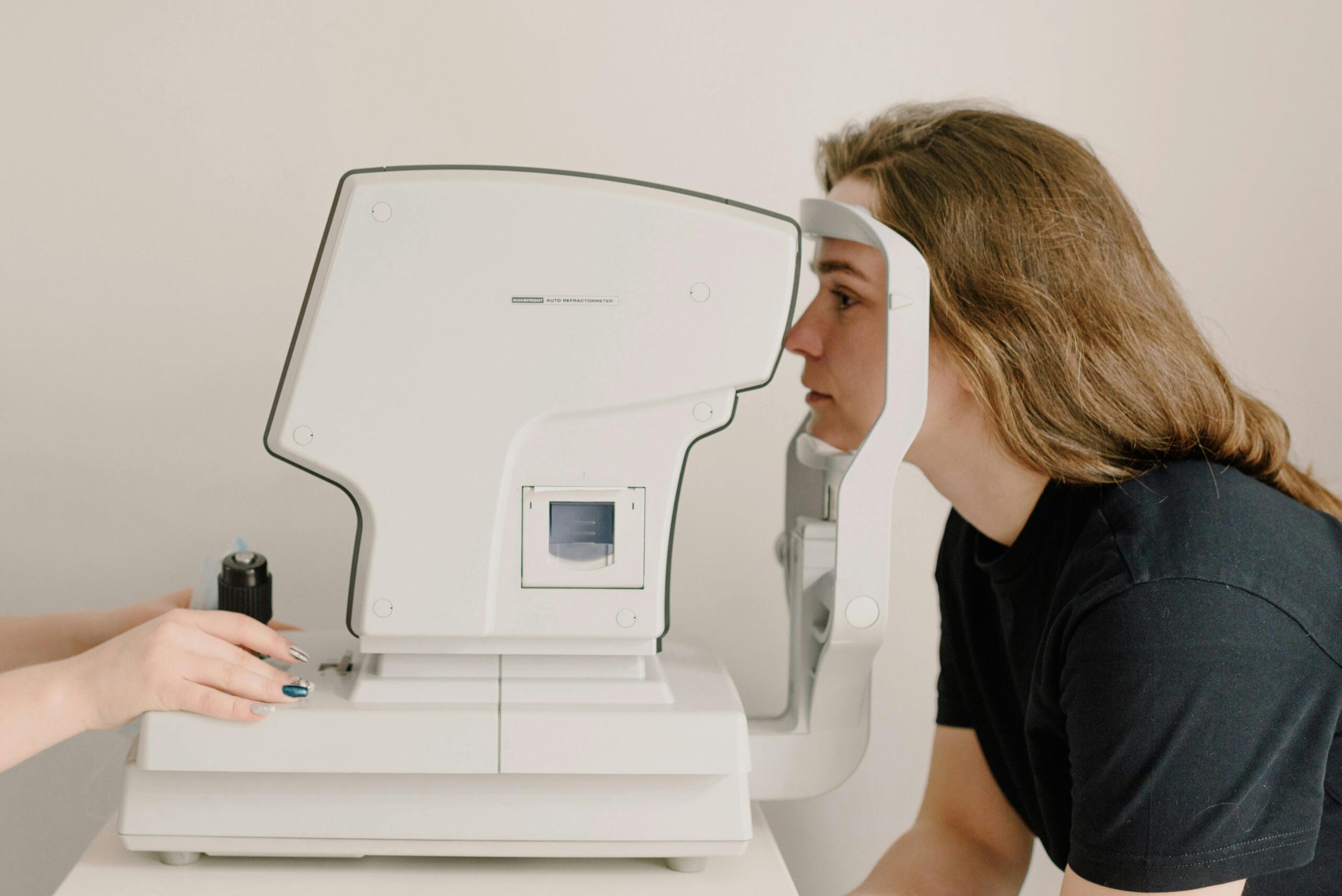
Eye Exams Do More Than Check Vision
One of the biggest misconceptions about eye exams is that they only determine whether someone needs glasses.
In reality, comprehensive eye exams can reveal early signs of serious health conditions long before other symptoms appear.
Optometrists and ophthalmologists can detect indicators of:
*Diabetes
*High blood pressure
*High cholesterol
*Autoimmune disorders
*Neurological conditions
*Retinal disease
*Glaucoma
*Cataracts
*Macular degeneration
The eye is one of the few places in the human body where blood vessels and nerves can be viewed directly without surgery. That makes it an incredibly powerful diagnostic tool.
In some cases, an eye exam becomes the first warning sign that something larger is happening elsewhere in the body.
And yet many adults skip annual exams entirely because they believe their vision is “good enough.”
The Financial Trap of Ignoring Eye Care
People often avoid vision coverage because they assume paying out-of-pocket is cheaper.
At first glance, that logic can seem reasonable. A basic eye exam may not appear expensive. But modern vision care costs add up quickly.
Consider the average expenses many consumers face:
*Comprehensive eye exam
*Lens upgrades
*Contact lenses
*Anti-glare coatings
*Blue-light filtering
*Prescription sunglasses
*Progressive lenses
*Frame replacements
Suddenly, a “simple” vision issue becomes a several-hundred-dollar expense.
And here’s the interesting part: many people who avoid stand-alone vision plans still end up paying for eye care anyway — just without negotiated pricing or preventive benefits.
That’s where vision coverage changes the equation.
Why Stand-Alone Vision Coverage Is More Important Than People Think
Vision insurance has long been treated like the smaller cousin of health and dental insurance. It’s often viewed as optional, secondary, or only necessary for people who already wear glasses.
But that perspective is becoming outdated.
Modern stand-alone vision plans are increasingly designed around preventive care, affordability, and long-term eye health management. Many plans provide benefits that encourage people to schedule annual exams before problems become serious.
And preventive care is where the real value exists.
A person who catches glaucoma early may avoid permanent vision damage. A diabetic patient whose retinal changes are detected quickly may receive treatment sooner. A child with undiagnosed vision problems may suddenly improve academically after getting corrective lenses.
The ripple effects are enormous.
Vision coverage also creates a psychological advantage: people are far more likely to prioritize care when they know it’s already included.
Without coverage, eye exams become “something I should probably do someday.” With coverage, they become routine maintenance — like changing the oil in a car before the engine fails.
The Screen Era Changed Everything
A generation ago, vision insurance mostly revolved around glasses and contact lenses.
Today, eye care sits at the center of a digital-health conversation.
The average office worker now spends thousands of hours annually focused on near-distance screens. Children are developing myopia at increasing rates. Adults in their 30s report eye fatigue that used to be associated with much older populations.
The rise of hybrid work has intensified the issue further.
Home offices are often poorly lit. Screens are positioned incorrectly. People blink less while working digitally, which contributes to dryness and irritation. Many workers push through discomfort because visual fatigue feels invisible compared to physical injuries.
But visual exhaustion has consequences.
It affects concentration, reaction time, mood, sleep quality, and productivity. Some studies have linked excessive digital eye strain to increased mental fatigue and reduced workplace efficiency.
In that environment, vision coverage stops being a niche benefit and starts looking more like a modern necessity.
The Quiet Emotional Impact of Vision Problems
Vision changes are not only physical. They are emotional.
People rarely talk about the frustration of squinting through presentations, struggling to drive at night, or pretending they can read something clearly when they cannot. Many delay getting help because they assume worsening vision is simply part of life.
Others avoid new glasses because of cost.
Some continue using outdated prescriptions for years, gradually adapting to poorer vision without realizing how much strain they experience daily.
Then something surprising happens: they finally update their prescription and suddenly notice sharper colors, clearer detail, fewer headaches, and less fatigue.
The difference can feel immediate and deeply personal.
Good vision affects confidence more than people realize. It influences communication, posture, reading habits, social interaction, driving comfort, and workplace performance.
Clear eyesight changes how people experience the world.
Why Younger Adults Should Care Now
One of the fastest-growing groups purchasing stand-alone vision coverage is younger adults — especially freelancers, remote workers, entrepreneurs, and self-employed professionals.
Why?
Because younger consumers are beginning to understand something previous generations overlooked: preventive care is cheaper than reactive care.
Waiting until vision becomes noticeably worse often leads to higher costs later. More importantly, many eye diseases develop silently in the early stages.
Glaucoma, for example, may progress without obvious symptoms until permanent damage occurs.
That’s why regular eye exams matter even for people who believe they see perfectly well.
Vision coverage is increasingly becoming less about correcting poor eyesight and more about preserving healthy eyesight for the future.
The Future of Eye Care Is Preventive
Healthcare overall is moving toward prevention, monitoring, and early detection. Eye care is following the same path.
Retinal imaging technology has advanced dramatically. AI-assisted screenings are emerging. Digital diagnostics are becoming faster and more accurate. Some experts believe eye exams may eventually play an even larger role in identifying broader health risks early.
That evolution makes routine vision care more valuable, not less.
And as technology advances, stand-alone vision plans are evolving alongside it — expanding access to screenings, lens technology, specialty treatments, and digital eye-care solutions.
The old stereotype of vision insurance being “just for glasses” no longer reflects reality.
The Bigger Picture
Your eyesight changes slowly enough that you may not notice it at first.
That’s what makes eye health uniquely deceptive.
People often react immediately to dental pain or physical injuries because the symptoms interrupt daily life. Vision decline tends to creep quietly into routines. Brighter screens become necessary. Night driving becomes more stressful. Headaches become more common. Reading becomes more tiring.
The adjustment happens so gradually that many people normalize discomfort for years.
But your eyes are constantly working. Constantly adapting. Constantly aging.
And in a world built around screens, digital overload, and visual performance, protecting eye health has become far more important than most people realize.
Stand-alone vision coverage is not simply about cheaper glasses. It is about early detection, preventive care, long-term wellness, and maintaining one of the senses people depend on most.
Because when your vision changes, your entire experience of the world changes with it.