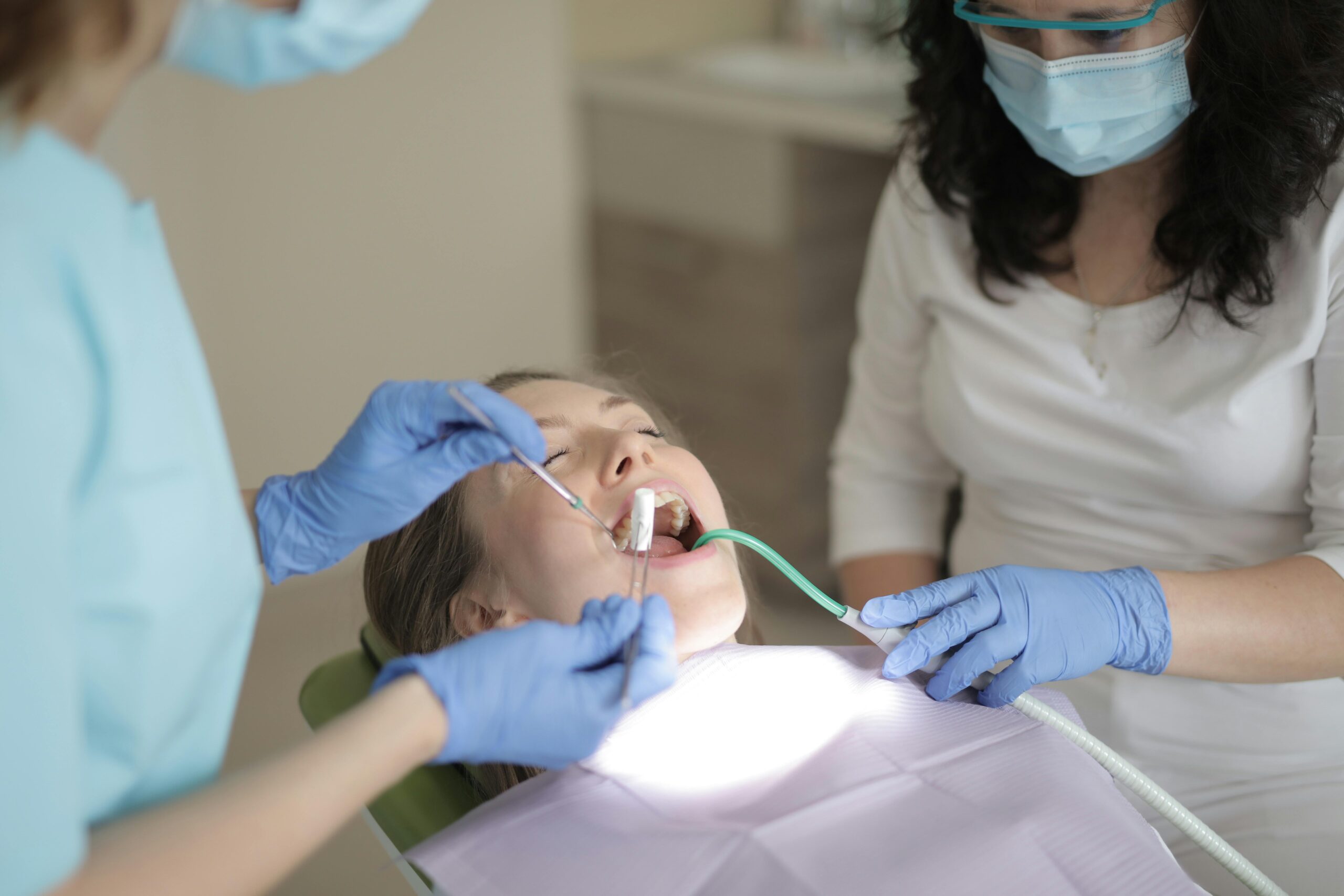
What to Look for in a Dental Plan If You’re Prone to Cavities

If you’ve ever sat in the dentist’s chair and heard the dreaded words—“You have another cavity”—you know the sinking feeling that follows. It’s not just about the inconvenience of scheduling the filling, the numbness afterward, or the temporary ban on your favorite snacks. It’s the cost. Cavities add up fast, and if you’re someone who seems to develop them more often than your friends or family, you’ve probably wondered if you’re simply unlucky… or if you need a better dental plan.
Here’s the truth: some people are biologically more prone to cavities than others. Genetics, saliva composition, enamel thickness, diet, medications, and even stress can all play a role. And if you fall into this group, choosing the right dental plan isn’t optional—it’s a financial lifesaver.
The good news? There are dental plans that offer excellent protection for people who get frequent cavities. But not every dental plan is created equal. Below, we’ll break down what you need to look for, what to avoid, and how to make sure your next filling doesn’t take a chunk out of your bank account.
1. Prioritize Plans With Strong Preventive Coverage
Prevention is the first line of defense against cavities. The more cleanings, exams, and X-rays you get, the more likely you are to catch a cavity early—or prevent it altogether.
Most dental plans already cover preventive care at 100%, but not all plans treat preventive the same way. When you’re cavity-prone, you should look specifically for plans that cover:
✓ Two cleanings per year (minimum)
Many people who get cavities easily benefit from more frequent cleanings. Some insurers offer optional add-ons for a third or even fourth cleaning, especially for individuals at higher risk.
✓ Annual bitewing X-rays fully covered
Cavities can hide between teeth. Bitewing X-rays help catch them early before they become major (and expensive).
✓ Fluoride treatments for adults
Many dental plans only cover fluoride for children. If you’re prone to cavities, fluoride varnish every six months can make a big difference. Look for plans that extend fluoride coverage into adulthood or at least offer discounted rates.
✓ Sealants for adults (if available)
Sealants aren’t just for kids. Some plans allow sealants on back molars for cavity-prone adults. This is rare—but worth checking.
Preventive coverage may sound boring, but for those who fight cavities regularly, it sure does make a difference.
2. Look for Low or No Waiting Periods on Basic Services
This is a big one—and one people often don’t think about until it’s too late.
Basic services = fillings.
And fillings are what you need when you get cavities.
Many dental plans impose a 6-month waiting period before they cover basic procedures. If you already know you’re cavity-prone, waiting six months can mean paying full price for multiple fillings.
When comparing plans, look for:
*No waiting periods on basic services
*Or short waiting periods (1–3 months)
*Or plans that waive waiting periods if you had prior coverage
If you’re switching plans or buying dental insurance for the first time, this could save you hundreds of dollars right away.
3. Understand How the Plan Covers Fillings
Not all fillings are covered the same way.
Some plans only cover amalgam (metal) fillings, even on visible teeth. Others offer coverage for composite (tooth-colored) fillings, which most people prefer.
If aesthetics are important to you—and let’s be honest, most of us don’t want a metallic grin—look for these words in the plan description:
✓ Coverage for composite fillings on all teeth
Some plans only allow composite on front teeth, leaving you to pay the difference for molars.
✓ 70–80% coverage for basic services
This is ideal. The higher the coverage, the lower your out-of-pocket costs.
✓ Reasonable limits on how often fillings can be replaced
Cavities sometimes come back under old fillings. Plans may have limits like:
*1 replacement every 2 years
*1 replacement every 5 years
If your teeth are higher risk, look for more flexible terms.
4. Check the Annual Maximum—Higher Is Better
Most dental plans have an annual maximum, which is the total amount the insurance will pay each year. After that, everything comes out of your pocket.
If you get multiple cavities a year, you’ll want an annual maximum that won’t leave you hanging after the second filling.
Typical annual maximums range from:
*$1,000 (low)
*$1,500 (standard)
*$2,000–$3,000+ (excellent)
If you’re cavity-prone, aim for $1,500 minimum. If you can afford it, a $2,000–$3,000 maximum gives you far more breathing room—and peace of mind.
5. Look at the Plan’s Network Size and Dentist Participation
When you’re someone who needs more than the occasional cleaning, having a dentist you trust matters—a lot.
Plans with big networks offer:
*More dentist choices
*Lower contracted rates
*Better availability for urgent appointments
*More specialists if a cavity becomes a bigger issue
Before signing up, check:
*Whether your current dentist is in-network
*Whether several dentists nearby accept the plan
*Whether the plan’s contracted rates are reasonable
If you’re open to switching dentists, choose a plan with a strong local network. This can cut your costs significantly.
6. Compare Out-of-Pocket Costs: Deductible, Copays, and Coinsurance
Dental advertising often focuses on what’s covered, but the numbers that matter just as much are the ones that tell you how much you’ll pay.
If you get cavities often, look for:
✓ A low deductible—$50 or less
Some plans have deductibles as high as $100–$150. That adds up quickly.
✓ Basic care covered at 70–80%
The more you get covered, the less you pay.
✓ Reasonable out-of-network fees (if you prefer freedom)
If you’re prone to cavities, you may need occasional urgent care. Having flexibility helps.
A plan that looks cheap on the surface may actually cost more if the deductible and coinsurance are high.
7. Consider Plans With Enhanced Cavity-Fighting Benefits
Some insurance companies offer special features for people at higher risk for decay. These might include:
*Additional cleanings (3–4 per year)
*Adult fluoride coverage
*Coverage for prescription fluoride toothpaste
*Coverage for perio-maintenance cleanings (helpful if you also have gum issues)
These added benefits can dramatically improve your long-term oral health—and reduce the number of fillings you need.
If you’re prone to cavities, these enhanced features are often a better investment than the cheapest plan available.
8. Avoid Plans With Tight Restrictions on Major Work
Cavities can sometimes lead to bigger problems:
*Root canals
*Crowns
*Onlays
*Extractions
If you have a history of recurrent decay, you should expect that at some point you may need more than just fillings.
Look for:
*Short waiting periods on major services
*Coverage of at least 40–50% for major work
*Plans that don’t exclude molar root canals
*Plans that cover crowns on posterior teeth
The more flexible the major services coverage, the better protected you are.
9. Think Long-Term—Not Just Year One
When you’re prone to cavities, you’re not shopping for a one-year fix. You’re choosing a plan you may rely on for many years ahead.
Ask yourself:
*Will the annual maximum be enough year after year?
*Am I likely to need major work in the future?
*Do I have access to dentists I trust?
*Does the plan offer stability? (Some plans lower benefits in year one and increase in year two.)
A good dental plan should grow with your needs—not surprise you later with limitations.
Final Thoughts: The Best Dental Plan Is the One That Protects You Before You Need It
If cavities have become a recurring part of your life, you’re far from alone. Millions of adults struggle with recurring decay, and the right dental plan can make a world of difference—not just financially, but emotionally. Knowing you’re protected means fewer surprises and more confidence in your oral health journey.
When choosing a plan, prioritize:
*Strong preventive coverage
*Composite filling benefits
*No or low waiting periods
*A generous annual maximum
*A solid dentist network
*Enhanced cavity-prevention benefits
A little research now can save you hundreds—sometimes thousands—over the coming years. And more importantly, it puts you back in control of your dental health instead of letting cavities dictate your budget. So don’t hesitate and get your smile on the right track with a great dental plan.