The Top 10 Preventive Services Most Stand-Alone Dental Plans Cover
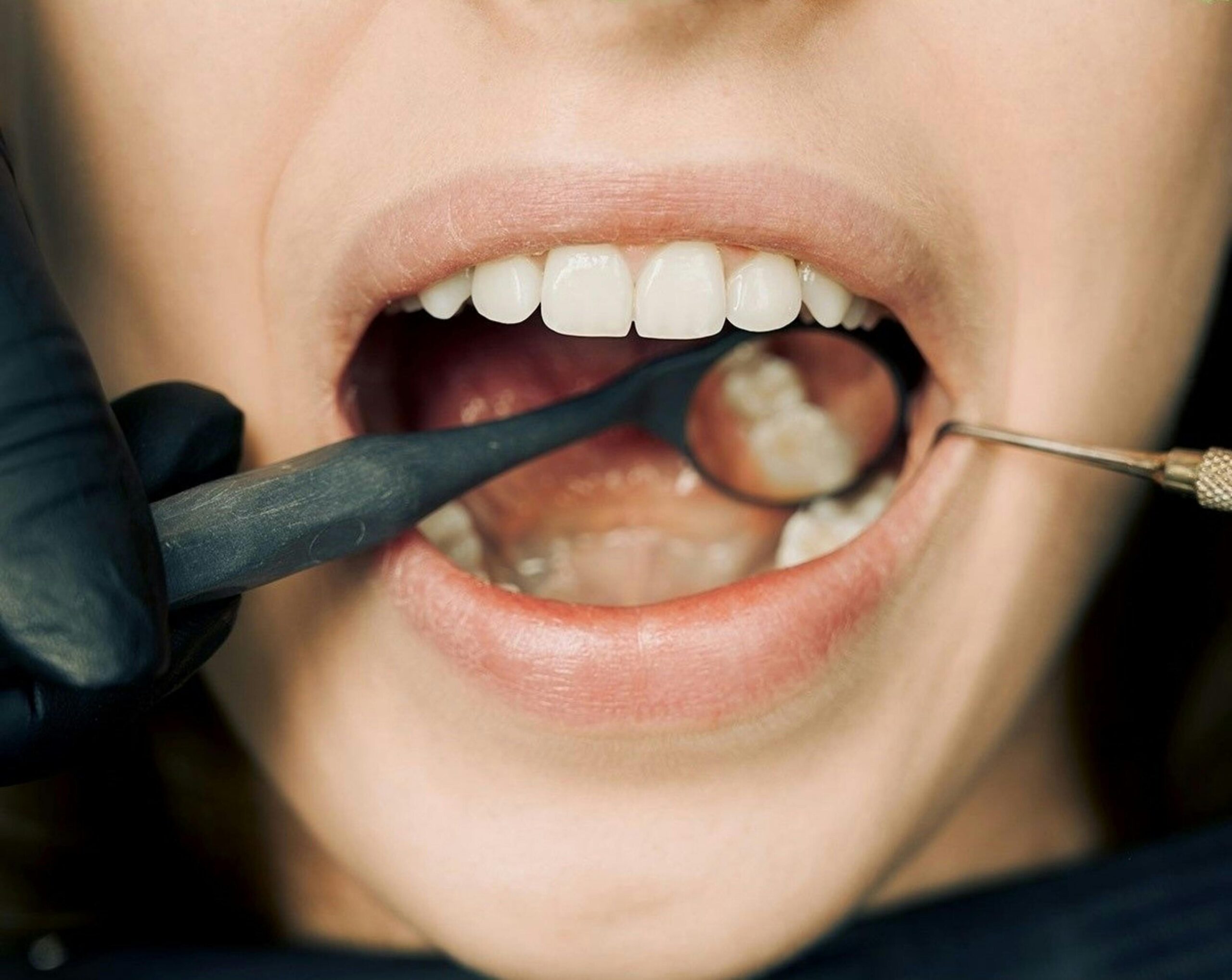
If there’s one truth about teeth, it’s this: they don’t fix themselves. A tiny cavity today can turn into a major headache tomorrow—literally and financially. That’s why preventive dental care exists, and why it’s the backbone of nearly every stand-alone dental plan on the market.
Think of preventive services as your smile’s security system. They keep watch, catch problems early, and help you avoid those big-ticket dental surprises that no one wants to see on a bill. But here’s the good news: most stand-alone dental plans don’t just encourage preventive care—they often cover it 100%.
Whether you’re shopping for a plan, trying to get the most out of your current one, or just curious what “preventive” really means, this guide breaks down the top 10 preventive services most plans cover—and why they matter more than you might think.
1. Routine Dental Exams (Checkups)
Let’s start with the obvious—but most important—service: your twice-a-year dental exam.
Most stand-alone dental plans cover two checkups per year at no cost to you. During these visits, your dentist checks for cavities, gum disease, oral cancer, and signs of other health issues.
These exams aren’t just for your teeth—they can also reveal early symptoms of systemic problems like diabetes or vitamin deficiencies. It’s like getting a mini health screening every six months.
Why it matters: Regular checkups catch small problems before they turn into expensive ones. A cavity spotted early might cost $100 to fix. Leave it untreated, and you could be looking at a $1,200 root canal later.
2. Professional Teeth Cleanings
You brush, you floss—but nothing beats a professional cleaning.
Dental hygienists use specialized tools to remove plaque and tartar that your toothbrush simply can’t reach. Even if you’re diligent about brushing, certain areas—like behind your molars or just under the gumline—tend to accumulate buildup.
Most stand-alone plans cover two cleanings per year at 100%. Some even include a third cleaning for patients with a history of gum issues.
Why it matters: Regular cleanings prevent gum disease, bad breath, and tooth decay. Plus, they leave your mouth feeling that “just left the dentist” kind of clean—which, let’s be honest, feels amazing.
3. Dental X-Rays
You can’t fix what you can’t see—and that’s where X-rays come in.
Most plans cover bitewing X-rays (the kind that show the upper and lower back teeth) once a year, and full-mouth X-rays every 3 to 5 years. These images help your dentist detect cavities between teeth, bone loss, infections, and even cysts or tumors before they cause pain.
Why it matters: X-rays act like an internal roadmap for your dentist. They reveal hidden problems early, saving you from painful surprises and large bills down the road.
4. Fluoride Treatments
You might associate fluoride with childhood dental visits—but adults need it too.
Fluoride strengthens enamel, the protective outer layer of your teeth, making it more resistant to decay. Most stand-alone dental plans cover fluoride treatments for children (usually twice per year) and sometimes for adults at high risk of cavities.
Why it matters: Fluoride is one of the simplest, most effective ways to prevent tooth decay—and it’s usually quick and painless. Think of it as a protective coat of armor for your teeth.
5. Dental Sealants
Here’s something most people don’t realize: preventive care isn’t just about cleanings—it can also involve barriers.
Sealants are thin, protective coatings applied to the chewing surfaces of molars, where most cavities start. They “seal out” bacteria and food particles.
Stand-alone dental plans typically cover sealants for children up to age 14 (sometimes older), since kids’ molars are especially cavity-prone.
Why it matters: Sealants can reduce the risk of decay by up to 80% in molars. That’s huge—especially for growing smiles.
6. Oral Cancer Screenings
Oral cancer might not be a topic most people think about when visiting the dentist, but early detection saves lives.
During a standard exam, your dentist visually inspects your mouth, tongue, gums, and throat for abnormal spots, lumps, or sores. Some offices use advanced screening tools that highlight precancerous tissue.
Most dental plans include oral cancer screening as part of your routine exam—meaning it’s fully covered.
Why it matters: Catching oral cancer early can increase survival rates dramatically. It’s one of those preventive services you hope you never need—but will always be glad you had.
7. Periodontal (Gum) Maintenance and Evaluation
Healthy gums are the foundation of a healthy smile. Gum disease is one of the most common (and most overlooked) health issues in adults.
Most dental plans cover routine gum evaluations as part of your preventive exam. If you’ve had periodontal disease in the past, some plans even offer additional covered cleanings or maintenance visits each year to help you stay on track.
Why it matters: Gum disease doesn’t just affect your mouth—it’s linked to heart disease, diabetes, and even Alzheimer’s. Preventing or managing it saves both your teeth and your overall health.
8. Oral Hygiene Instruction
Believe it or not, professional brushing advice counts as a covered preventive service!
Many plans include oral hygiene instruction under preventive benefits. This might sound simple, but having your dental hygienist demonstrate proper brushing and flossing techniques—especially for kids—can make a world of difference.
Why it matters: Most people don’t brush long enough, floss correctly, or know which products are best for their mouth. Personalized instruction leads to better daily habits and fewer cavities down the line.
9. Space Maintainers (for Children)
This one’s for parents: if your child loses a baby tooth too early, their dentist might recommend a space maintainer. It’s a small device that keeps the gap open so permanent teeth can grow in properly.
Most stand-alone dental plans consider this a preventive service for children, covering it at or near 100%.
Why it matters: Space maintainers prevent misalignment that could lead to costly orthodontic treatment later. It’s a proactive investment in your child’s future smile.
10. Emergency Exams for Pain or Trauma
Yes, even emergencies can sometimes fall under preventive coverage.
If you experience sudden tooth pain, a chipped tooth, or trauma from an accident, many dental plans cover an emergency diagnostic exam at 100%. While follow-up treatments might fall under “basic” or “major” services, the initial exam to determine what’s wrong is often fully covered.
Why it matters: Quick diagnosis can mean the difference between a simple fix and a serious dental procedure later. Getting evaluated early is the ultimate preventive move.
🪞 Bonus: How Preventive Coverage Actually Saves You Money
It’s easy to underestimate the value of preventive care because it feels so routine. But that’s exactly why it works—it’s consistent, predictable, and focused on avoiding the unexpected.
Here’s a real-world comparison:
Without preventive coverage:
Skip cleanings for two years
*Develop gum inflammation → $250 treatment
*Small cavity becomes a root canal → $1,200
Total: $1,450 out-of-pocket
With a stand-alone dental plan:
*Premium: ~$30/month ($360/year)
*Two exams, two cleanings, X-rays: covered 100%
*Small cavity caught early → $40 copay
Total: ~$400
You save over $1,000—and avoid pain, infection, and stress in the process. That’s the beauty of prevention: small, consistent steps that protect both your health and your wallet.
🌟 Why Stand-Alone Dental Plans Make Preventive Care Easy
Many people assume dental coverage is only available through an employer or bundled with health insurance. Not true.
Stand-alone dental plans let you buy exactly what you need—no medical coverage required. They’re often affordable, flexible, and focused on the kind of preventive services we just covered.
Here’s why they’re worth considering:
*Preventive care is usually 100% covered. You don’t pay a dime for cleanings, exams, or X-rays.
*No waiting period for basics. Preventive coverage often starts immediately after enrollment.
*You can choose your own dentist. Most plans offer large PPO networks, giving you options.
*Perfect for retirees, freelancers, or families. You don’t need a group plan or employer benefits to protect your smile.
💬 Final Thoughts: Prevention Is the Best (and Cheapest) Dental Plan
Your teeth are with you for life—or at least, they’re meant to be. The smartest way to protect them isn’t waiting for something to go wrong; it’s staying one step ahead.
Stand-alone dental plans make that easy. By covering the top preventive services—from cleanings and X-rays to fluoride and sealants—they ensure that small problems stay small. And in a world where medical costs are climbing, that kind of peace of mind is priceless.
So if you haven’t seen your dentist in a while, maybe it’s time to schedule that cleaning. Not just because your plan covers it—but because your future smile will thank you.