
How Dental Insurance Can Make Major Procedures More Affordable
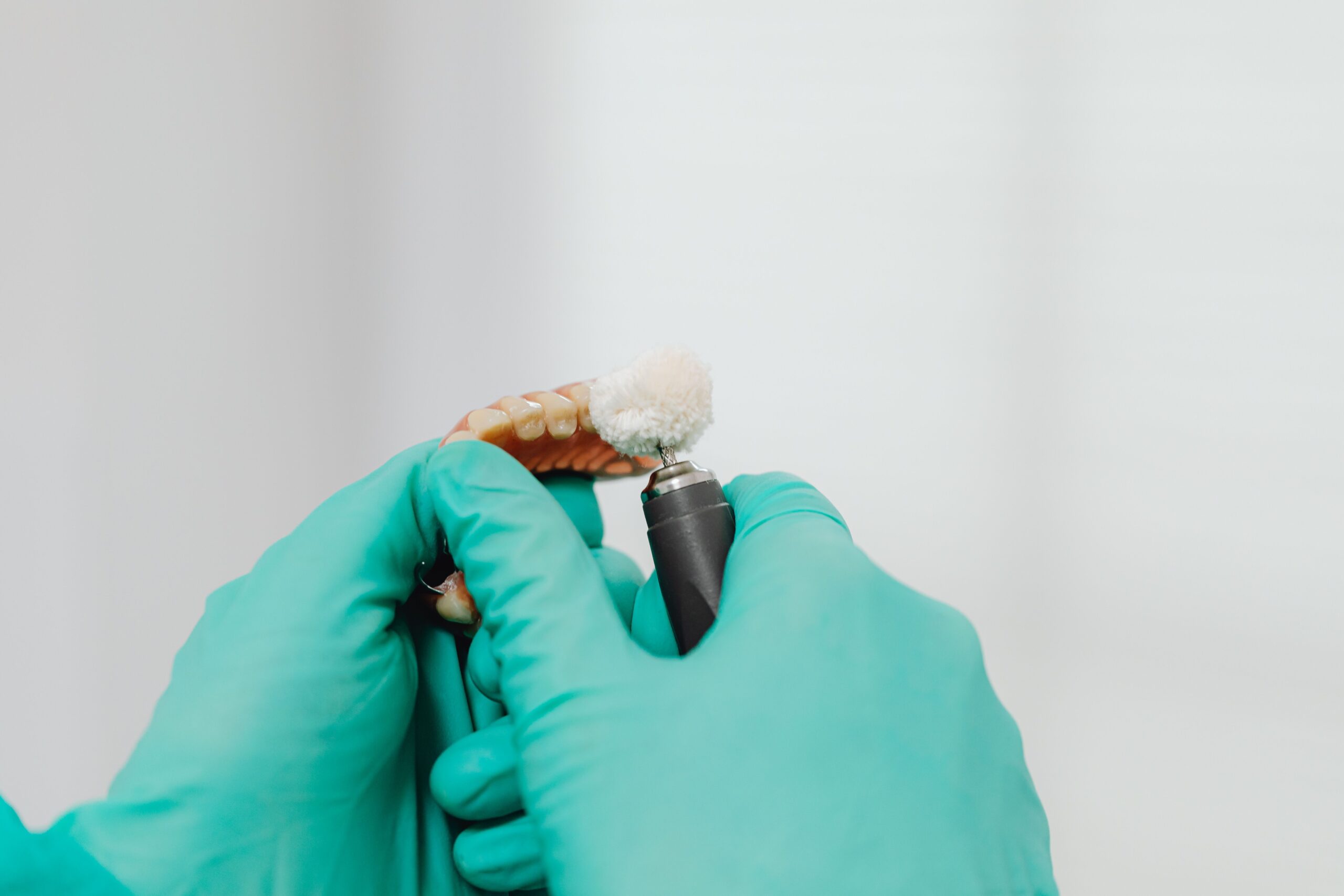
Most people don’t think much about dental insurance until they hear the words, “You need a crown,” “You need a root canal,” or “You’ll need an implant.” Suddenly, what seemed like a routine dental visit turns into a conversation about treatment plans, appointments, and costs that can quickly climb into the hundreds—or even thousands—of dollars.
While no one hopes to need extensive dental work, major procedures are more common than many people realize. Teeth can crack unexpectedly, old fillings can fail, gum disease can progress over time, and accidents can happen without warning. The good news is that having the right dental insurance can significantly reduce the financial burden of these treatments, making it easier to get the care you need when you need it most.
Let’s explore how dental insurance works, what types of major procedures are commonly covered, and why having coverage can make protecting your oral health much more affordable.
The High Cost of Major Dental Procedures
Preventive dental care is relatively inexpensive compared to restorative treatment. Routine cleanings, exams, and X-rays are designed to identify problems early, often before they require extensive treatment.
However, once damage has progressed, treatment becomes much more complex.
Some of the most common major dental procedures include:
*Dental crowns
*Root canals
*Bridges
*Dentures
*Periodontal (gum) surgery
*Dental implants (coverage varies by plan)
*Oral surgery
*Bone grafting in certain cases
Without insurance, these procedures can represent a significant out-of-pocket expense. Depending on the treatment, location, and provider, costs may range from several hundred dollars to several thousand dollars.
For many families, paying those costs all at once isn’t realistic. That’s where dental insurance can make a meaningful difference.
How Dental Insurance Helps Lower Costs
Dental insurance isn’t designed to eliminate every expense, but it can substantially reduce what you pay.
Many individual dental plans divide services into three categories:
Preventive Care
Preventive services often receive the highest level of coverage and may include:
*Routine cleanings
*Oral exams
*Bitewing X-rays
*Fluoride treatments (depending on age and plan)
Many plans cover preventive services at or near 100% when using participating providers.
Basic Restorative Services
Basic procedures may include:
*Fillings
*Simple extractions
*Treatment for minor gum disease
These services are commonly covered at a moderate percentage after any applicable deductible.
Major Services
Major dental procedures generally include:
*Crowns
*Root canals
*Bridges
*Dentures
*Certain oral surgeries
Although members usually share part of the cost through coinsurance, insurance often pays a substantial portion of covered services, making treatment much more manageable financially.
Why Early Coverage Matters
One of the biggest mistakes people make is waiting until they already need expensive dental work before purchasing insurance.
Many dental plans include waiting periods for major services. While preventive care may begin immediately or shortly after enrollment, benefits for crowns, bridges, dentures, or similar procedures may not become available until several months later, depending on the policy.
That’s why many people purchase dental insurance while they’re still healthy. Having coverage in place before major treatments become necessary allows you to take full advantage of the benefits when unexpected problems arise.
Preventive Care Helps Avoid Bigger Bills
Perhaps the greatest financial advantage of dental insurance isn’t the discount on major procedures—it’s helping prevent them in the first place.
Regular cleanings and examinations allow dentists to detect issues such as:
*Small cavities
*Early gum disease
*Worn fillings
*Hairline cracks
*Signs of infection
*Oral cancer
Treating these problems early is usually much less expensive than waiting until they require crowns, root canals, or tooth replacement.
For example, a small cavity caught during a routine visit may only require a filling. Left untreated, that same tooth could eventually need a root canal and crown—or even extraction and replacement.
Preventive care protects both your smile and your wallet.
Insurance Encourages Timely Treatment
Many people postpone dental work because they’re worried about the cost.
Unfortunately, delaying treatment often allows problems to become worse.
A cracked tooth can become infected.
Minor gum disease can advance.
A small cavity can spread deeper into the tooth.
When dental insurance lowers your out-of-pocket expenses, you’re more likely to move forward with recommended treatment before conditions become more serious and expensive.
Timely care often leads to better outcomes, less discomfort, and lower overall costs.
Understanding Annual Maximums
Most traditional dental insurance plans include an annual maximum benefit.
This is the maximum amount the insurance company will pay toward covered services during a benefit year.
Once the annual maximum has been reached, you’ll generally be responsible for additional covered expenses until the next benefit year begins.
Understanding this limit can help you and your dentist plan treatment strategically. In some cases, if treatment isn’t urgent, procedures may be scheduled across two benefit years to maximize available insurance benefits.
Choosing the Right Dental Plan
Not all dental insurance policies are identical.
When comparing plans, consider more than just the monthly premium. Important features include:
*Annual maximum benefits
*Deductibles
*Coinsurance percentages
*Waiting periods
*Provider network
*Coverage for major services
*Coverage for implants, if offered
*Orthodontic benefits, if needed
*Customer service and claims support
The least expensive premium isn’t always the best overall value. A plan with broader coverage for major procedures may provide greater savings if extensive dental work becomes necessary.
Dental Insurance Supports Long-Term Oral Health
Good oral health affects much more than your teeth.
Research has found associations between oral health and several chronic conditions, including heart disease, diabetes, and adverse pregnancy outcomes. While good oral hygiene does not prevent every medical condition, maintaining healthy teeth and gums contributes to overall wellness.
When people have dental insurance, they’re often more likely to schedule regular preventive visits and receive recommended treatment, helping maintain healthier smiles throughout life.
Budgeting for Unexpected Dental Expenses
Life is unpredictable.
You can’t always prevent an accident that chips a tooth or anticipate needing a root canal years after an old filling was placed.
Dental insurance provides financial predictability by helping absorb part of those unexpected expenses. Instead of facing the full cost of treatment, policyholders generally pay only their deductible, copayment, or coinsurance for covered services, depending on their plan.
That predictability can make it easier to budget for healthcare expenses without disrupting other financial priorities.
Is Dental Insurance Worth It?
The answer depends on your personal situation, but for many individuals and families, dental insurance offers value that extends beyond simple cost savings.
Coverage encourages preventive care, reduces the financial impact of major procedures, and makes it easier to receive treatment before dental problems become more severe.
If you expect to need restorative work, have a history of dental issues, or simply want protection against unexpected expenses, an individual dental insurance plan may provide important financial support while helping you maintain your oral health.
The Bottom Line
Major dental procedures can be expensive, but delaying treatment often leads to even greater costs—both financially and medically. Individual dental insurance helps make necessary care more affordable by sharing the cost of covered services and encouraging preventive care that may reduce the need for extensive treatment in the future.
Before choosing a plan, compare premiums, deductibles, annual maximums, waiting periods, provider networks, and coverage for major procedures. By selecting a policy that fits your needs and using your preventive benefits consistently, you can protect both your smile and your budget for years to come.