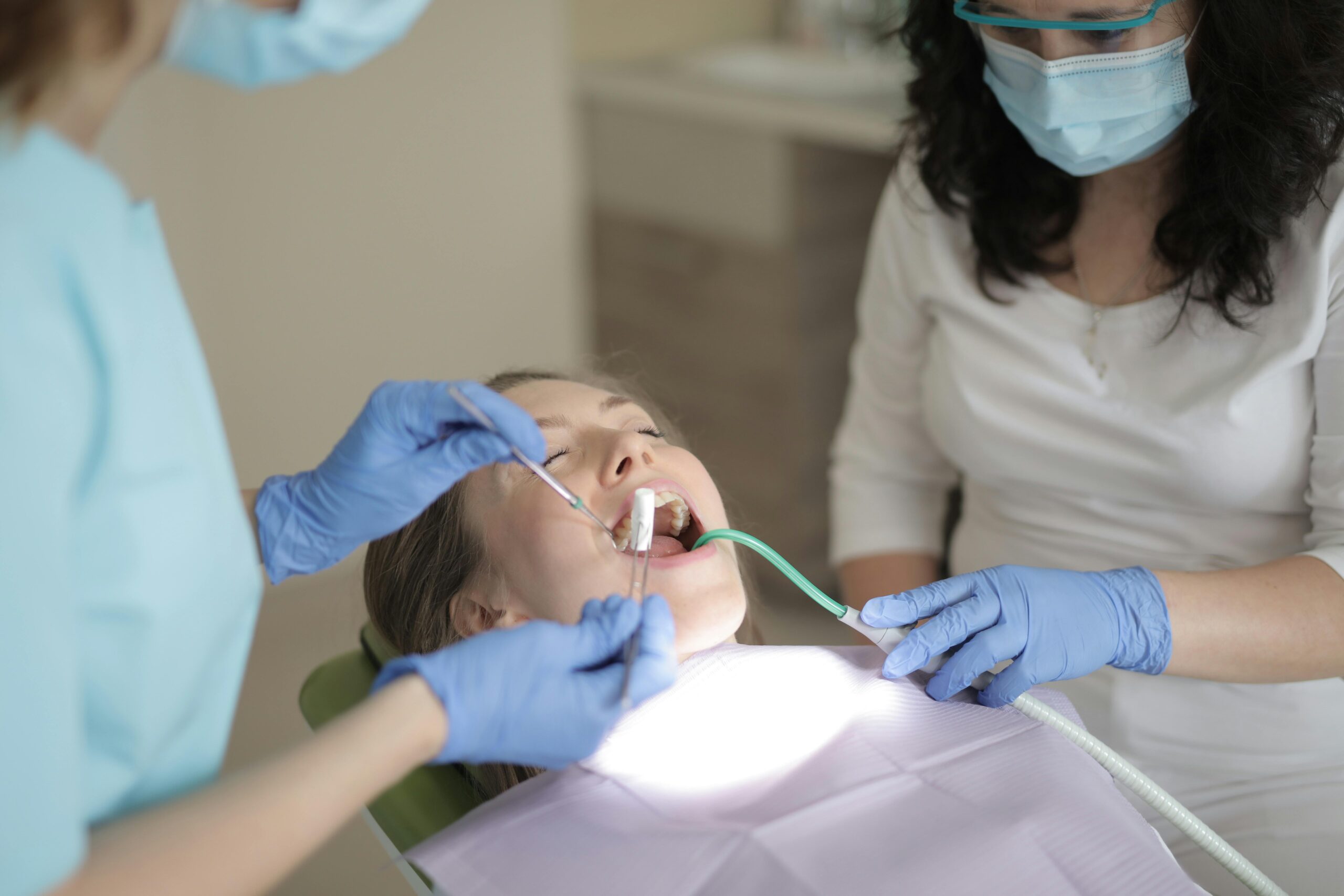
When most people think about dental insurance, they tend to focus on one thing: their smile. Clean teeth, fresh breath, and cavity prevention are usually the first benefits that come to mind. While those are certainly important, dental coverage does far more than protect your teeth. In reality, regular dental care plays a crucial role in supporting your overall health and well-being.
Research continues to show that oral health is closely connected to many other areas of the body. Conditions such as heart disease, diabetes, and even certain infections can be influenced by what’s happening in your mouth. Dental coverage makes it easier and more affordable to receive regular care, helping people catch problems early and maintain better long-term health.
Let’s take a closer look at how dental coverage can contribute to your overall health in ways you may not have considered.
The Mouth Is a Window Into Your Health
Your mouth is often one of the first places where signs of health problems appear. Dentists are trained to recognize symptoms that may indicate issues beyond cavities or gum disease. During routine checkups, they may notice warning signs of conditions such as infections, vitamin deficiencies, autoimmune disorders, or even oral cancer.
For example, persistent gum inflammation or unusual sores in the mouth can sometimes point to underlying health concerns. In many cases, these signs appear before other symptoms develop. Regular dental visits allow professionals to detect these changes early and recommend further evaluation when necessary.
Dental coverage helps make these preventive exams more accessible by reducing the cost of routine visits. Many dental plans cover cleanings, exams, and X-rays at little or no additional cost, encouraging people to stay consistent with their oral care.
Preventing Gum Disease and Its Health Risks
One of the most important ways dental coverage supports overall health is by helping prevent and treat gum disease. Also known as periodontal disease, gum disease is an infection of the tissues that support the teeth. If left untreated, it can lead to tooth loss and other complications.
But the effects of gum disease don’t stop in the mouth. Studies have shown that bacteria from infected gums can enter the bloodstream and contribute to inflammation throughout the body. Chronic inflammation has been linked to several serious health conditions.
Research suggests that people with severe gum disease may face higher risks of:
*Heart disease
*Stroke
*Diabetes complications
*Respiratory infections
While maintaining good oral hygiene is important, professional dental cleanings play a critical role in removing plaque and tartar that brushing alone cannot eliminate. Dental coverage encourages these preventive visits, helping people reduce the risk of gum disease and the potential health issues that may follow.
Supporting Better Diabetes Management
The connection between oral health and diabetes is particularly significant. People living with diabetes are more likely to develop gum disease because high blood sugar can weaken the body’s ability to fight infection.
At the same time, gum disease can make diabetes harder to manage. Inflammation caused by periodontal disease may increase blood sugar levels and interfere with insulin control.
This creates a cycle in which each condition can worsen the other.
Regular dental care can help break that cycle. By keeping gums healthy and treating infections early, dental professionals can support better blood sugar control. Many healthcare providers now encourage people with diabetes to schedule dental checkups more frequently for this reason.
Dental coverage helps reduce the financial barrier to these visits, making it easier for individuals to maintain both oral and overall health.
Early Detection of Oral Cancer
Another critical benefit of routine dental visits is early cancer detection. Oral cancer can affect the lips, tongue, cheeks, throat, and other areas of the mouth. When caught early, the chances of successful treatment improve significantly.
During a typical dental exam, dentists carefully check for unusual lumps, sores, discoloration, or tissue changes that could signal a problem. Because these exams happen regularly, dental professionals may detect abnormalities long before patients notice them on their own.
Without dental coverage, many people delay checkups until they experience pain or visible symptoms. By that point, conditions may be more advanced.
Dental insurance encourages preventive care by lowering the cost of exams and screenings, increasing the likelihood that potential health issues are discovered early.
Reducing the Risk of Infection
The mouth contains millions of bacteria, most of which are harmless when oral hygiene is maintained. However, untreated cavities, infections, or gum disease can allow harmful bacteria to spread.
In some cases, these bacteria may enter the bloodstream and contribute to infections in other parts of the body. This risk is particularly important for individuals with weakened immune systems or existing health conditions.
Routine dental care helps keep bacterial levels under control by addressing problems before they worsen. Professional cleanings remove buildup that can harbor harmful bacteria, while dentists can treat infections early before they spread.
Dental coverage helps ensure these services remain affordable, making preventive care easier to maintain.
Encouraging Preventive Care Habits
One of the most valuable aspects of dental coverage is that it promotes preventive care. Many dental insurance plans focus heavily on prevention because it helps avoid more serious and expensive procedures later.
Preventive services often include:
*Routine dental cleanings
*Oral examinations
*X-rays
*Fluoride treatments
*Sealants for children
When people know these services are covered or partially covered, they are more likely to schedule regular visits. Over time, consistent preventive care can significantly reduce the risk of cavities, gum disease, and other oral health problems.
Preventive dental care not only protects your teeth but also supports long-term wellness by minimizing infections and inflammation that could affect the rest of the body.
Protecting Mental and Emotional Well-Being
Oral health doesn’t just impact physical health—it also plays a role in mental and emotional well-being. Dental issues such as missing teeth, pain, or severe decay can affect confidence, speech, and social interactions.
People who feel self-conscious about their smile may avoid social situations, professional opportunities, or even routine conversations. This can contribute to stress, anxiety, and reduced self-esteem.
Dental coverage can help individuals address these issues before they become severe. By making preventive care and treatments more accessible, dental plans allow people to maintain healthy teeth and a confident smile.
Feeling comfortable with your oral health can improve both personal and professional interactions, supporting overall quality of life.
Lowering the Risk of Costly Health Complications
Preventive dental care is often far less expensive than treating advanced dental problems. A simple cleaning and exam may help prevent issues that could otherwise require root canals, extractions, or surgery.
Beyond dental procedures, untreated oral health problems may also lead to medical complications that require more extensive treatment. By addressing dental issues early, individuals can potentially avoid additional healthcare costs and complications.
Dental coverage plays an important role by reducing the cost of routine visits and making treatment more manageable when problems arise.
Making Oral Health a Priority
Despite the clear connection between oral health and overall wellness, many people skip dental visits due to cost concerns. Dental coverage helps remove that barrier, allowing individuals and families to prioritize preventive care.
Regular dental checkups can:
*Detect health issues early
*Prevent gum disease and infections
*Support chronic condition management
*Improve confidence and quality of life
When oral health is maintained, the benefits extend far beyond a brighter smile.
Final Thoughts
Dental coverage is often viewed as a way to maintain healthy teeth, but its benefits reach much further. By encouraging routine checkups, supporting preventive care, and making treatment more affordable, dental insurance plays an important role in protecting overall health.
Your mouth is closely connected to the rest of your body, and what happens there can influence many aspects of your well-being. From reducing inflammation and preventing infections to supporting chronic disease management, proper dental care can have lasting health benefits.
In the end, dental coverage isn’t just about protecting your smile—it’s about protecting your health. Making regular dental visits a priority today can lead to better outcomes for your entire body in the years to come.