Dental and Vision: The Perfect Pair for Preventive Health
When most people think about staying healthy, their minds immediately jump to diet, exercise, or maybe an annual check-up with their primary doctor. But there are two areas of preventive health that often fly under the radar — your teeth and your eyes.
It’s easy to take them for granted. After all, if your vision seems fine and your smile looks good, everything must be okay, right? Not necessarily. Both dental and vision health play critical roles in your overall well-being, often serving as early warning systems for other, more serious conditions. And when it comes to protecting them, individual dental and vision plans are the unsung heroes that can make all the difference.
Let’s explore why these two forms of coverage make the perfect preventive health duo — and why investing in both is one of the smartest moves you can make for your long-term wellness.
🦷 The Mouth: More Than Just a Smile
Your mouth is the gateway to your body — quite literally. Every bite of food, every sip of water, every breath passes through it. But beyond being essential for speaking and eating, your oral health tells an important story about what’s going on inside your body.
For example, gum disease (periodontal disease) has been linked to a wide range of serious conditions — from heart disease and diabetes to stroke and even Alzheimer’s. Inflammation in your gums doesn’t just stay in your mouth; it can spread through the bloodstream and affect other organs.
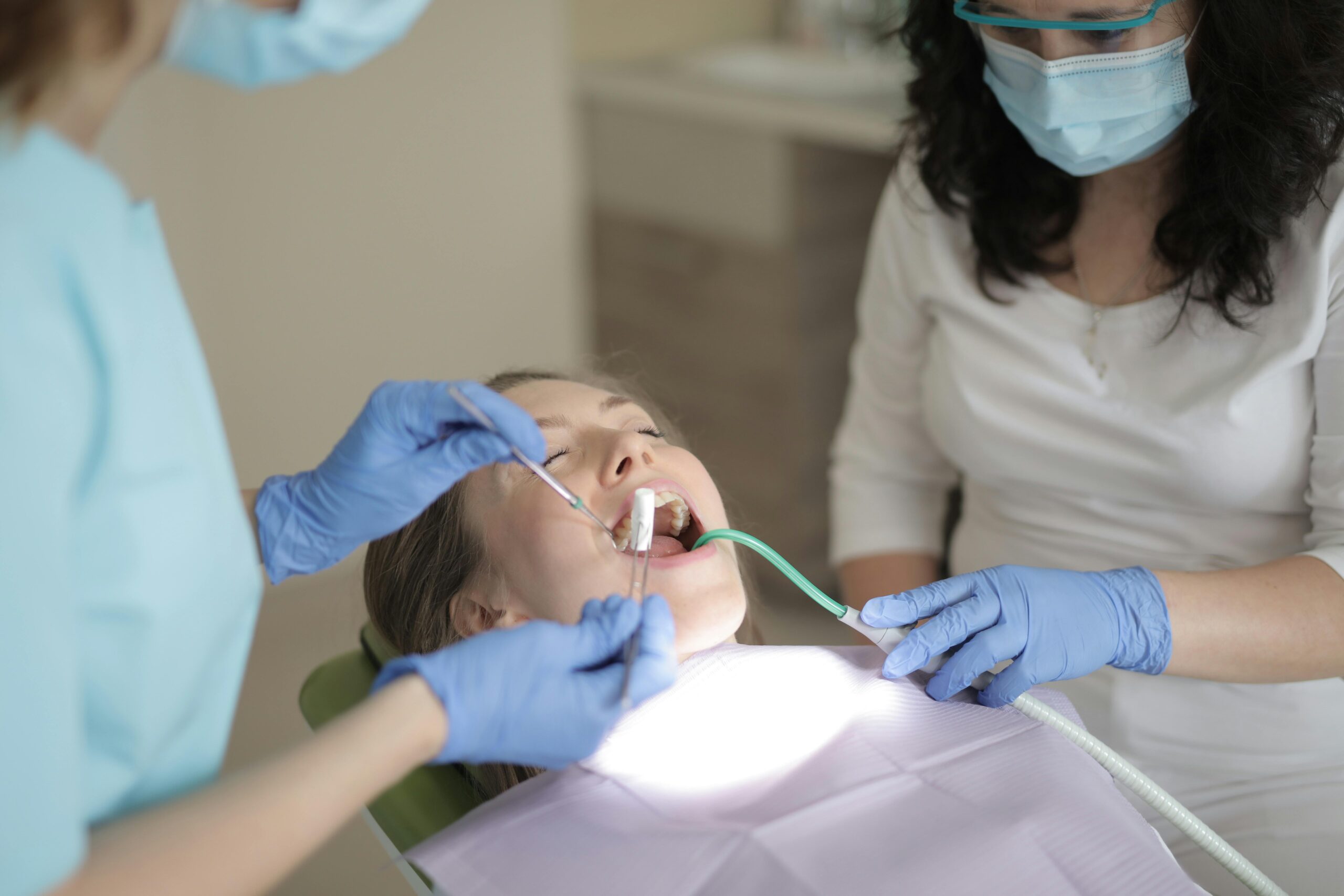
Routine dental visits do much more than keep your teeth white and cavity-free. They help your dentist catch small issues before they become big problems — like spotting signs of infection, decay, or oral cancer early on. That’s why preventive care is a core part of most dental plans. Cleanings, X-rays, and exams are typically covered at 100% or close to it.
Without insurance, those visits can easily cost hundreds of dollars out of pocket, leading many people to delay care — which often results in more painful (and expensive) treatments down the line. A dental plan removes that financial hesitation, encouraging regular checkups that keep you healthy and confident.
👁 The Eyes: Windows to Your Health
Now let’s talk about your eyes. We’ve all heard the saying that they’re the windows to the soul — but they’re also windows to your health.
A comprehensive eye exam doesn’t just measure how well you can see. It allows your optometrist to examine blood vessels, nerves, and tissue in the back of your eye, giving them a unique view of your body’s internal health.
Many systemic diseases — including diabetes, high blood pressure, and even certain types of cancer — can be detected during a routine eye exam long before symptoms appear elsewhere. For example, tiny changes in the retina’s blood vessels may be an early sign of diabetic retinopathy, a condition that can lead to vision loss if untreated.
And even if you have perfect vision, annual eye exams are still important. Your prescription can subtly change over time, and conditions like glaucoma or macular degeneration often develop silently. A good vision plan covers these exams, along with lenses, frames, and contacts — making preventive eye care affordable and accessible.
🩺 Why Dental and Vision Plans Work Better Together
Here’s where things get interesting: your dental and vision health aren’t just important individually — they actually complement each other in ways you might not expect.
Both are centered around prevention. They encourage you to see specialists regularly, which means problems are caught early. And both areas can reveal health conditions that might otherwise go unnoticed.
In fact, studies show that people who maintain both dental and vision insurance tend to have better overall health outcomes than those who don’t. That’s because your mouth and eyes can reveal early signs of conditions like:
*Diabetes – Detected through retinal changes or gum inflammation
*High blood pressure – Spotted through blood vessel irregularities in the eyes
*Autoimmune disorders – Sometimes first noticed through mouth ulcers or dry eyes
*Nutritional deficiencies – Reflected in oral tissue changes and eye fatigue
By having both types of insurance, you’re not only protecting your sight and smile — you’re giving healthcare professionals two powerful vantage points into your overall health.
💰 The Cost of Skipping Preventive Coverage
Let’s face it — most people skip dental or vision insurance because they think it’s an unnecessary expense. After all, how much could a cleaning or an eye exam really cost?
The truth is, preventive care is cheap — but neglect is expensive.
A simple cavity can cost a few hundred dollars to fill, but a root canal and crown can run into the thousands. Similarly, replacing lost vision due to untreated eye disease isn’t just emotionally devastating — it’s financially draining.
According to the American Dental Association, the average cost of a routine dental exam is around $100–$200, while a full mouth restoration can exceed $10,000. For vision, a basic eye exam may cost $150–$250 without insurance, and a pair of prescription glasses can easily add another few hundred dollars.
But when you have individual dental and vision plans, preventive services are often covered entirely or at a minimal cost. This not only saves money but encourages consistent care — which is the entire point of prevention.
🌟 Individual Plans: Freedom and Flexibility
One of the biggest advantages of individual dental and vision plans is flexibility. Unlike employer-sponsored coverage, these plans are tailored to your specific needs and budget.
Maybe you’re self-employed, retired, or between jobs — individual plans give you control. You can choose coverage that fits your lifestyle:
–Need frequent cleanings or orthodontic work? Choose a dental plan with higher preventive benefits.
–Wear glasses or contacts? Pick a vision plan that offers generous frame and lens allowances.
–Want coverage for dependents? Many plans let you add family members affordably.
The best part is that many insurance providers allow you to bundle both plans for a discounted rate. It’s convenience and savings rolled into one.
🧠 A Preventive Health Mindset
Think of your dental and vision coverage as part of your wellness toolkit — right up there with your gym membership and healthy eating habits.
Prevention is all about consistency. Just like you wouldn’t wait until your car breaks down to get an oil change, you shouldn’t wait for pain or vision problems before scheduling a checkup. Dental and vision insurance make that kind of consistency simple, affordable, and stress-free.
And let’s not forget the quality-of-life factor. Being able to smile confidently and see clearly enhances nearly every aspect of daily living — from professional opportunities to personal interactions. You deserve to feel that good every day.
🧩 The Bigger Picture: Total-Body Health
Medical professionals are increasingly recognizing how oral and visual health connect to total-body wellness. Your mouth and eyes offer vital clues about everything from circulation to immunity.
For instance:
*Gum inflammation may signal underlying diabetes.
*Dry eyes can point to autoimmune conditions like lupus or rheumatoid arthritis.
*Oral infections can increase the risk of heart complications.
*Retinal changes can predict cardiovascular issues.
So, when you invest in dental and vision coverage, you’re not just preventing cavities or blurry vision — you’re safeguarding your long-term health. These plans aren’t “extra” insurance. They’re essential health protection.
❤️ A Simple Formula for a Healthier You
Preventive health isn’t complicated. It comes down to small, consistent actions that build up over time — brushing and flossing daily, wearing sunglasses outdoors, eating balanced meals, and scheduling those checkups before something hurts.
Pairing a dental plan and a vision plan creates a simple yet powerful formula:
Consistent Care + Early Detection = Lifelong Health
It’s the kind of investment that pays off not just in savings, but in peace of mind.
✨ Final Thoughts
Your eyes and your teeth might seem like small parts of your body, but they have a massive impact on your quality of life. They let you connect, express, and experience the world fully — through smiles, laughter, and sight.
By treating dental and vision care as integral parts of your preventive health routine — and protecting them with the right coverage — you’re giving yourself the best possible foundation for lifelong wellness.
Because the truth is simple: when you can see clearly and smile confidently, everything else just feels a little bit brighter.