
Clearer Sight, Smarter Spending: How Vision Insurance Can Support Your Budget
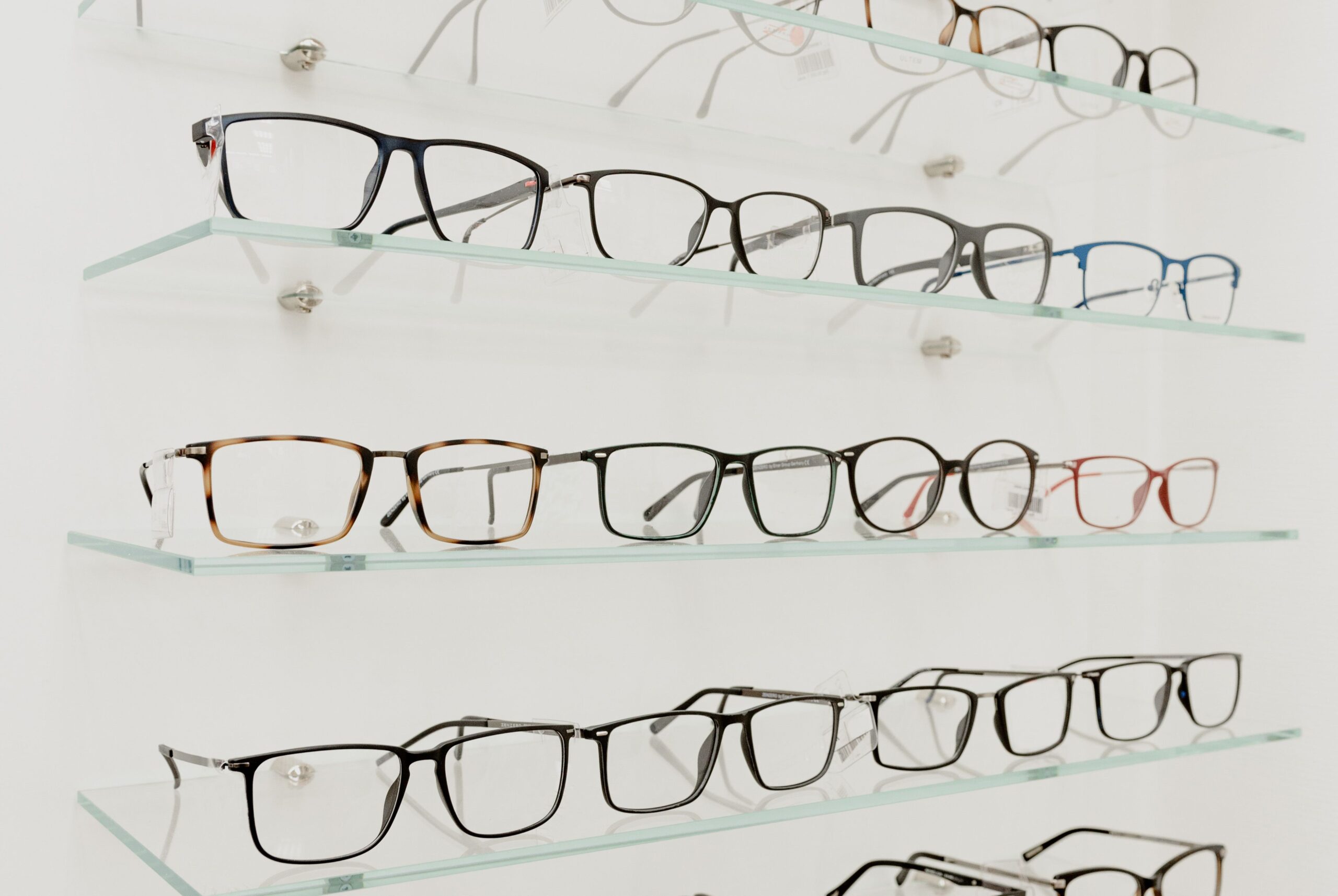
Clear vision is easy to take for granted—until it starts becoming expensive.
An eye exam here. A new pair of glasses there. Contact lenses every few months. A stronger prescription. A broken frame that needs replacing at the worst possible time. Individually, these expenses may not seem overwhelming. Together, however, they can create a recurring category in your household budget that is easy to underestimate.
That is where stand-alone vision insurance may come into the picture.
Vision insurance is not designed to cover every eye-related expense, and it is not a replacement for major medical or health insurance. Instead, it can help make certain routine vision care expenses more predictable by providing benefits toward services and products such as routine eye exams, prescription glasses, lenses, and contact lenses, depending on the plan.
For individuals and families who regularly use vision care, the right coverage can turn unpredictable spending into something easier to anticipate. The key is understanding how the benefits work and whether the cost of coverage makes sense for your particular needs.
The Real Cost of Seeing Clearly
When people create a monthly budget, they often remember the obvious expenses: housing, groceries, transportation, utilities, and insurance. Routine vision care can be easier to overlook because it does not always happen every month.
That can make the costs feel like surprises.
Imagine scheduling a routine eye exam and discovering that your prescription has changed. Suddenly, the appointment is not just about an exam. You may also need new lenses. If your current frames are worn or damaged, you might need to replace those as well. If you wear specialty lenses, progressive lenses, or other upgrades, the total cost can increase even further.
The same is true for contact lens wearers. Contacts may be part of an ongoing routine rather than a once-in-a-while purchase. Annual exams, contact lens fittings, replacement lenses, and related products can all contribute to your overall vision care spending.
For families, the expenses can multiply quickly. One child may need their first pair of glasses. Another may need a new prescription. A parent may prefer contacts. These needs do not always arrive on a convenient schedule.
Vision insurance cannot eliminate every cost, but it may help create a framework for managing some of those expenses.
Turning Occasional Expenses Into a More Predictable Budget Category
One of the biggest budgeting challenges is uncertainty.
A predictable expense is easier to plan for. A surprise expense can throw off an entire month.
Vision insurance can help by establishing specific benefits and cost-sharing amounts for covered services. Depending on the plan, you may know in advance what you will pay for a routine eye exam, how much allowance may be available for frames or contact lenses, and whether certain lens options involve additional out-of-pocket costs.
That does not mean every visit will cost the same or that every product will be fully covered. Plans have different rules, allowances, copayments, waiting periods, frequency limits, and network requirements.
Still, knowing the general structure of your benefits can make planning easier.
Instead of asking, “How much will my next pair of glasses cost?” you can begin with a clearer picture:
*What is my exam copay?
*How much is my frame allowance?
*How often can I use that allowance?
*Does my plan provide a separate benefit for contact lenses?
*Which providers are in-network?
*What upgrades may cost extra?
Those answers can turn a vague expense into a budget category with more defined boundaries.
The Value of an Eye Exam Goes Beyond Your Prescription
A routine eye exam is often viewed as a simple way to check whether you need stronger glasses or contacts. While that is certainly important, comprehensive eye exams can also play a role in evaluating overall eye health.
Eye care professionals may identify signs of certain eye conditions during an examination. In some cases, an eye exam may also reveal findings that prompt further evaluation for broader health concerns.
Vision insurance may help make routine exams more financially accessible, depending on the policy.
Of course, a vision plan’s routine exam benefit should not be confused with coverage for the diagnosis or treatment of medical eye conditions. Medical eye care and routine vision care may be handled differently depending on the reason for the visit and the type of coverage you have.
That distinction matters.
A person may have vision insurance for routine exams and eyewear while relying on medical insurance for treatment related to an eye disease or injury. Understanding which coverage applies can help prevent confusion when it is time to schedule an appointment.
How Frames and Lenses Can Affect Your Wallet
Buying glasses is rarely as simple as picking a frame and walking out the door.
The frame itself is only one part of the purchase. The type of lenses you need can have a significant effect on the final cost. Single-vision lenses, bifocals, progressive lenses, lens materials, coatings, and other options may all affect what you pay.
Vision insurance plans often provide a defined benefit or allowance toward covered frames and lenses. The exact amount varies by plan.
Here is where smart spending becomes important.
If your plan provides a frame allowance, you may decide to choose frames within that allowance to reduce your out-of-pocket expense. If you prefer a more expensive frame, you may be responsible for paying the difference.
The same idea can apply to lens upgrades.
Before making a purchase, ask your provider to explain what the plan covers and what you will pay for any upgrades. This simple step can help you avoid reaching the checkout counter with a bill much larger than expected.
A little planning can go a long way.
Contact Lenses Require Their Own Budget Strategy
For contact lens wearers, vision spending may follow a different pattern.
Instead of purchasing glasses occasionally, you may have recurring expenses for replacement contacts. Some vision plans provide an allowance toward contacts, while others may reimburse you only after you’ve submitted a valid claim.
It is also important to understand whether using your contact lens benefit affects your eyewear benefit.
Some plans allow you to choose between a glasses benefit and a contact lens allowance during a benefit period. Others may structure benefits differently.
That is why it is worth reading the details before assuming you can receive both at the same time.
If contacts are part of your everyday routine, calculate your expected annual costs. Then compare those costs with the benefits offered by a potential vision plan.
The goal is not simply to find the plan with the lowest monthly premium.
The goal is to determine whether the overall benefits align with the way you actually use vision care.
Why the Cheapest Plan Is Not Always the Best Budget Choice
A low monthly premium can be attractive. After all, saving money every month feels like an immediate win.
But the cheapest vision insurance plan is not always the best value.
A plan with a lower premium may have a smaller frame allowance, a more limited provider network, higher copays, fewer covered lens options, or stricter frequency limits. A plan with a slightly higher premium may offer benefits that better match your expected needs.
Neither option is automatically better.
The right comparison involves looking at the full picture.
Consider the total annual cost of:
Monthly premiums + expected copays + estimated out-of-pocket costs for eyewear and contacts.
Then compare that amount with what you would likely spend without the plan.
You do not need a complicated spreadsheet to make a smarter decision. A basic estimate can reveal whether a particular plan fits your budget.
For example, someone who rarely gets an eye exam and does not expect to buy new glasses may evaluate vision insurance differently from a family with multiple people who need routine exams and prescription eyewear.
Your budget should follow your actual needs—not someone else’s.
The Importance of Staying In-Network
One of the easiest ways to get more value from vision insurance may be to understand your provider network before scheduling an appointment.
In-network providers generally have agreements with the vision plan, which can affect the cost of covered services and eyewear.
Going out of network may result in lower reimbursement or higher out-of-pocket costs. Some plans may provide limited out-of-network benefits, while others may have different rules.
Before scheduling an appointment, confirm that the provider is currently participating in your plan’s network.
Do not assume that a provider remains in-network simply because they accepted your insurance last year. Networks can change, and participation may vary by location.
It is also wise to ask whether the specific optical department or provider you plan to use accepts your coverage for the services you need.
A quick phone call or online verification could prevent an expensive surprise later.
Families Can Benefit From a More Organized Vision Budget
Vision expenses can become especially challenging when multiple people need care.
A child’s prescription may change from one year to the next. A teenager may need sports eyewear. One parent may wear progressive lenses while another uses contact lenses.
These needs can overlap.
A family vision plan may help organize some of those costs by providing each covered family member with access to plan benefits, subject to the policy’s terms and limitations.
However, families should still look closely at the details.
Ask how often each person can receive an eye exam. Check frame allowances and replacement frequencies. Understand whether dependents have the same benefits as adults and whether the provider network includes convenient locations.
A vision plan should make your family’s budget easier to manage—not add another layer of confusion.
How to Get the Most From Your Vision Benefits
Having vision insurance is only helpful if you understand how to use it.
Start by reviewing your benefits before you need them.
Know when your plan year begins and ends. Check how often you are eligible for an exam, frames, lenses, or contacts. Find participating providers before scheduling an appointment.
When you visit an eye care provider, ask for an explanation of costs before making a purchase.
A few questions can make a major difference:
*What does my plan cover for today’s visit?
*What is my copay?
*How much of my frame allowance remains?
*Are these lenses or upgrades covered?
*What will I owe out of pocket?
*Is there a less expensive option that still meets my needs?
Being an informed consumer does not mean choosing the cheapest option every time.
It means understanding the financial consequences of your choices before you make them.
Vision Insurance as Part of a Bigger Financial Picture
Stand-alone vision insurance is not necessarily essential for every person. Whether it makes financial sense depends on your expected use of vision services, the cost of available plans, and the benefits offered.
For some people, paying out of pocket may be the better choice. For others, especially those who expect regular exams and recurring eyewear expenses, a vision plan may offer useful savings and greater predictability.
The value is not only about whether the plan “pays for itself.”
Budgeting is also about reducing uncertainty.
Knowing that you have a defined benefit for an upcoming eye exam or a new pair of glasses can make it easier to plan ahead. Instead of postponing a needed purchase because you are unsure what it will cost, you can make decisions with a clearer understanding of your expected expenses.
That kind of predictability can be valuable, especially when you are already managing a long list of household costs.
The Bottom Line: See Your Budget More Clearly
Clear vision helps you navigate the world around you. Clear financial planning can help you navigate the costs that come with maintaining it.
Stand-alone vision insurance can support your budget by helping with certain routine eye care expenses, making costs more predictable, and providing benefits toward covered exams, eyewear, or contact lenses.
But the best plan is not necessarily the one with the lowest premium or the biggest advertised allowance.
The right plan is the one that fits the way you actually use vision care.
Consider your routine eye exam schedule. Think about how often you replace glasses or contact lenses. Review provider networks. Compare premiums, copays, allowances, frequency limits, and potential out-of-pocket expenses.
Most importantly, read the details.
When you understand what your plan covers—and what it does not—you can make more informed choices at the eye doctor’s office and in your monthly budget.
After all, smarter spending is not about cutting every cost.
Sometimes, it is about seeing the whole picture clearly.